

Nautilus is Mutriku’s geological interpretation centre, devoted to the area’s geological origins and formation. Its history is closely tied to the Black Flysch cliffs and the fossils found along this stretch of the Basque coast.
- Location: Jose Antonio Ezeiza kalea, 3, Mutriku
- Focus: local geology and fossils from the Black Flysch
- Geopark context: Mutriku, Deba and Zumaia
- Opening pattern: weekends, selected dates and high season
What is Nautilus?
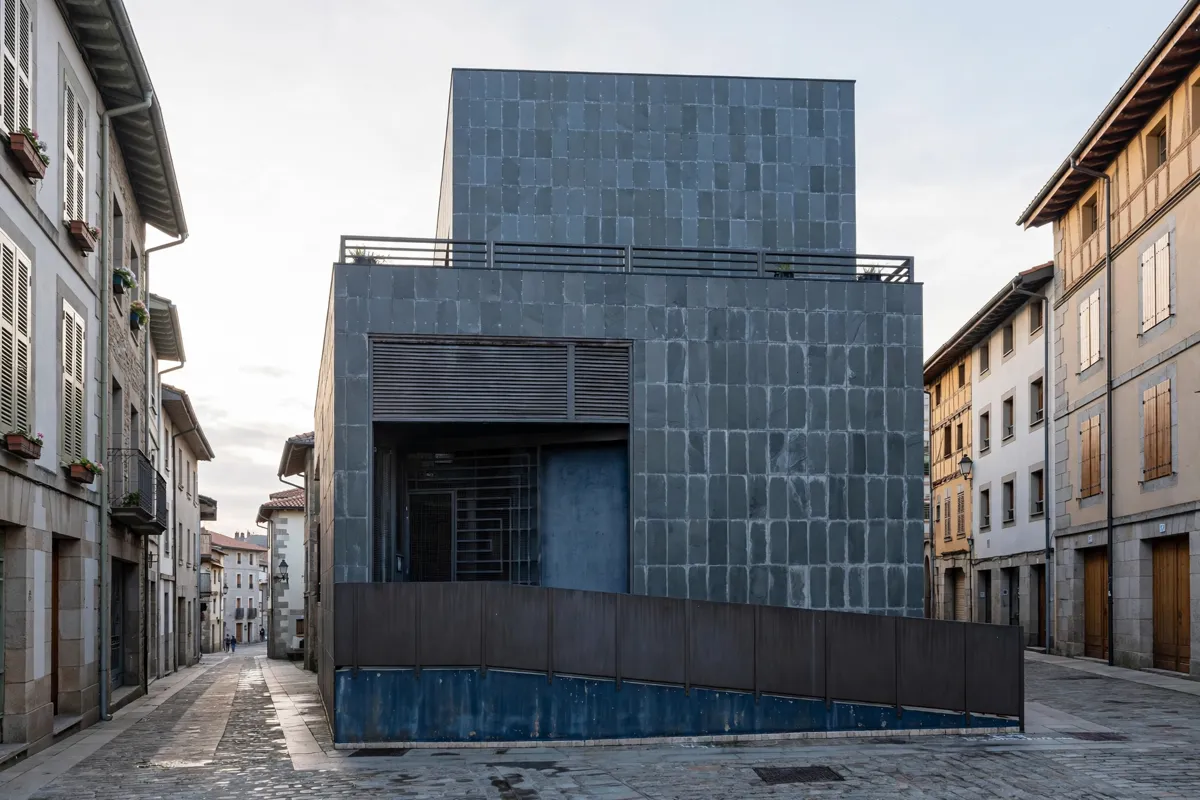
Nautilus is a geological interpretation centre that explains how Mutriku’s landscape formed. Its exhibits include fossils from the area’s Black Flysch, among them specimens from a private collection assembled by Jesús M. Narvaez Amasorrain and Esperanza Azkarraga over 40 years.
The Basque Coast Geopark describes the centre as displaying fossil samples recovered through the work of local collector Jesús María Narvaez. An audiovisual presentation in Spanish and Basque follows Mutriku’s geological history from 120 million years ago to the present.
The centre has one room, an audio guide and guided visits. It is designed for wheelchair use.
What is the geological story of Mutriku?
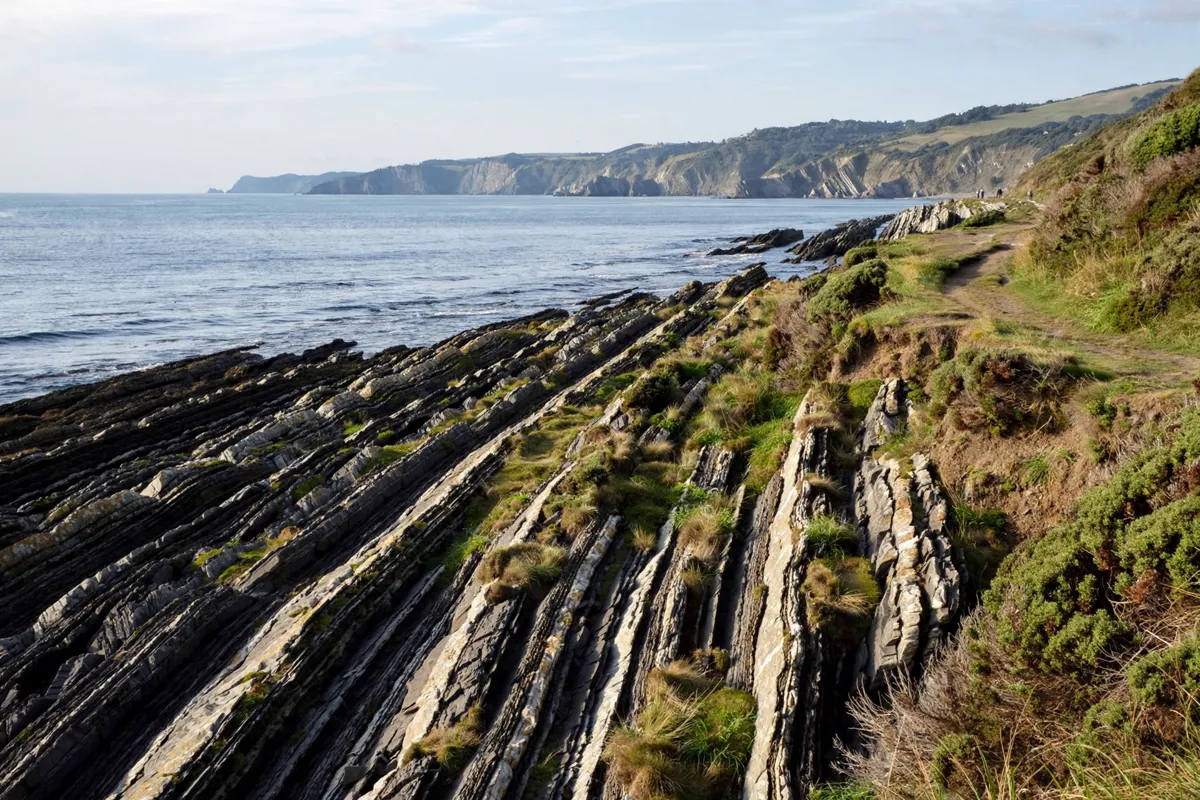
Mutriku’s cliffs expose Black Flysch strata rich in fossils dating back over 100 million years. The municipality’s natural-environment information dates the formation of the Black Flysch to more than 110 million years ago and notes that giant ammonites can be found in a few places, including here.
Within the Basque Coast Geopark, Mutriku’s Black Flysch cliffs are the oldest flysch. The Geopark spans Mutriku, Deba and Zumaia, with 13 km of cliffs where rock layers record more than 60 million years of Earth history.
Those layers also preserve evidence of a much later turning point: a thin black layer that indicates the impact of a giant asteroid and the mass extinction of the dinosaurs about 65 million years ago.
How does Nautilus connect to the coast?
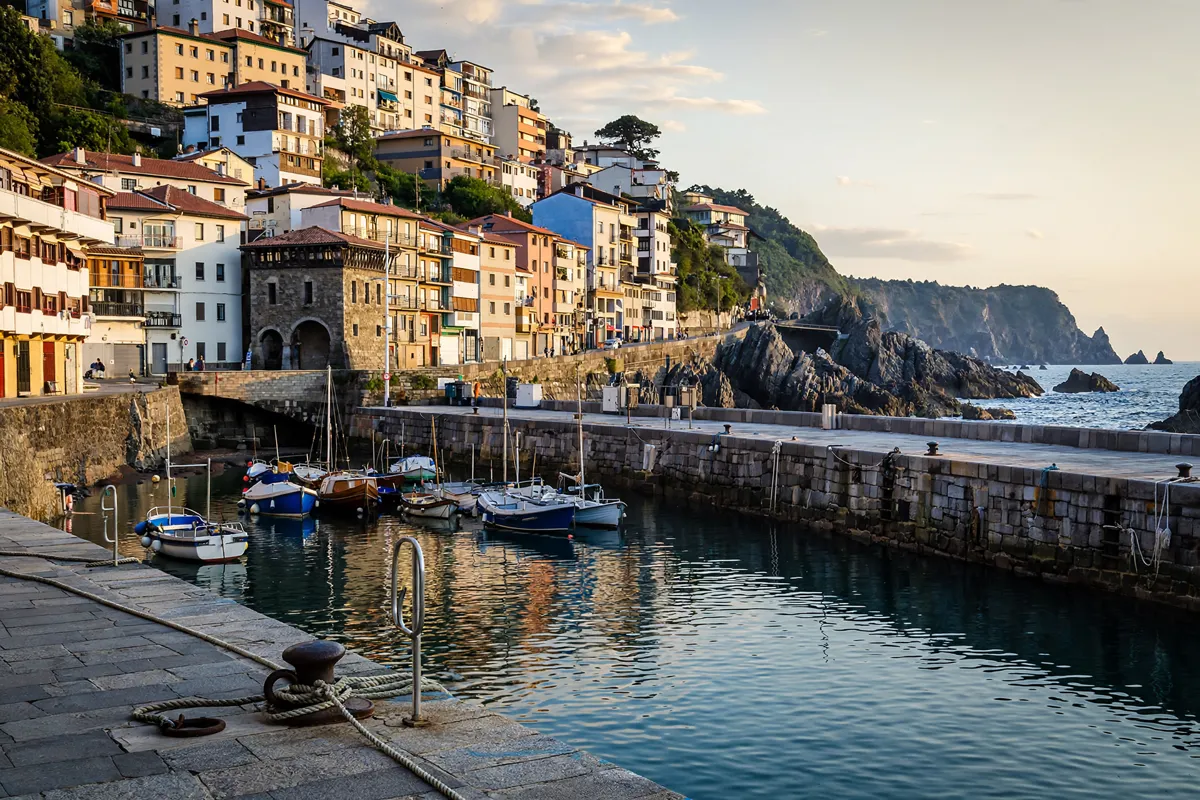
Nautilus links its fossil displays to the coastal formations where those fossils were found. A Geopark boat visit combines the centre with a trip to the cliffs, though the boat portion depends on weather and sea conditions.
The municipal guided-tour programme also describes a visit combining the museum with a boat trip to Mutriku’s 7 Beaches area to explore the Black Flysch. If you are considering a wider coastal outing, the Zumaia and Flysch Coast day trip from Mutriku puts the Geopark’s other municipalities in context.
Planning a Nautilus visit
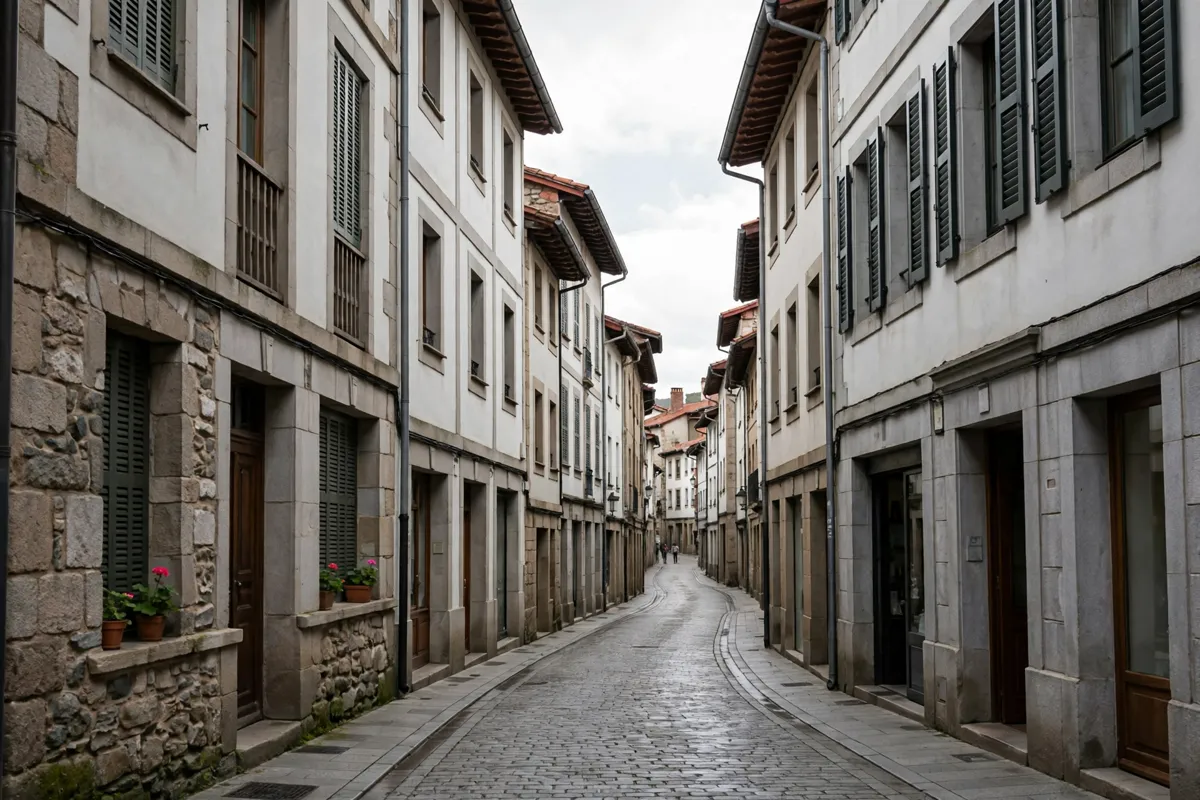
Nautilus does not open every day. It opens on weekends, specific dates and during high season; visits may also be possible when a guided tour is confirmed. Check the official site before you go. The centre is at Jose Antonio Ezeiza kalea, 3, 20830 Mutriku; telephone numbers are 943 60 32 59 and 943 60 33 78.
Entry costs €2 when the centre is open, while a one-hour guided visit costs €3, including admission. The 2-hour-30-minute Geopark boat visit is listed at €15–€17, has a maximum of 25 visitors, and depends on weather and sea conditions. Warm clothing and suitable footwear are requirements for that tour.
Nautilus is about a 3-minute drive from Hotel Arbe.
Opening dates and visit arrangements can vary, so the Nautilus hours are worth checking as you plan.
A walk through town around your visit can include the Mutriku town centre guide’s sights and streets.
FAQs
What is the Nautilus centre about?
It interprets Mutriku’s geological origins and formation, with a focus on the Black Flysch and its fossils.
What is the Black Flysch?
It is a fossil-rich rock formation exposed in Mutriku’s cliffs, formed more than 110 million years ago.
Can you visit Nautilus every day?
No. It opens on weekends, specific dates and during high season, and some visits may be possible by confirmed guided tour.
Does the Nautilus boat visit always go ahead?
The boat portion depends on weather and sea conditions. Warm clothing and suitable footwear are required for the Geopark boat tour.