

A Zumaia Flysch day trip from Mutriku links two towns in the Basque Coast UNESCO Geopark, where the coast’s cliffs reveal a long geological history. The DB05 bus connects Zumaia with Mutriku, so you can plan around a bus journey and time in Zumaia.
- Zumaia, Mutriku and Deba are all in the Basque Coast UNESCO Geopark.
- DB05 connects Zumaia and Mutriku, with some journeys linking to DB04 in Deba.
- The Geopark’s Essential Flysch experience is a boat trip between Zumaia and Deba.
- DB05 timetables vary by season, so confirm the schedule before travel.
Why make the trip to Zumaia?
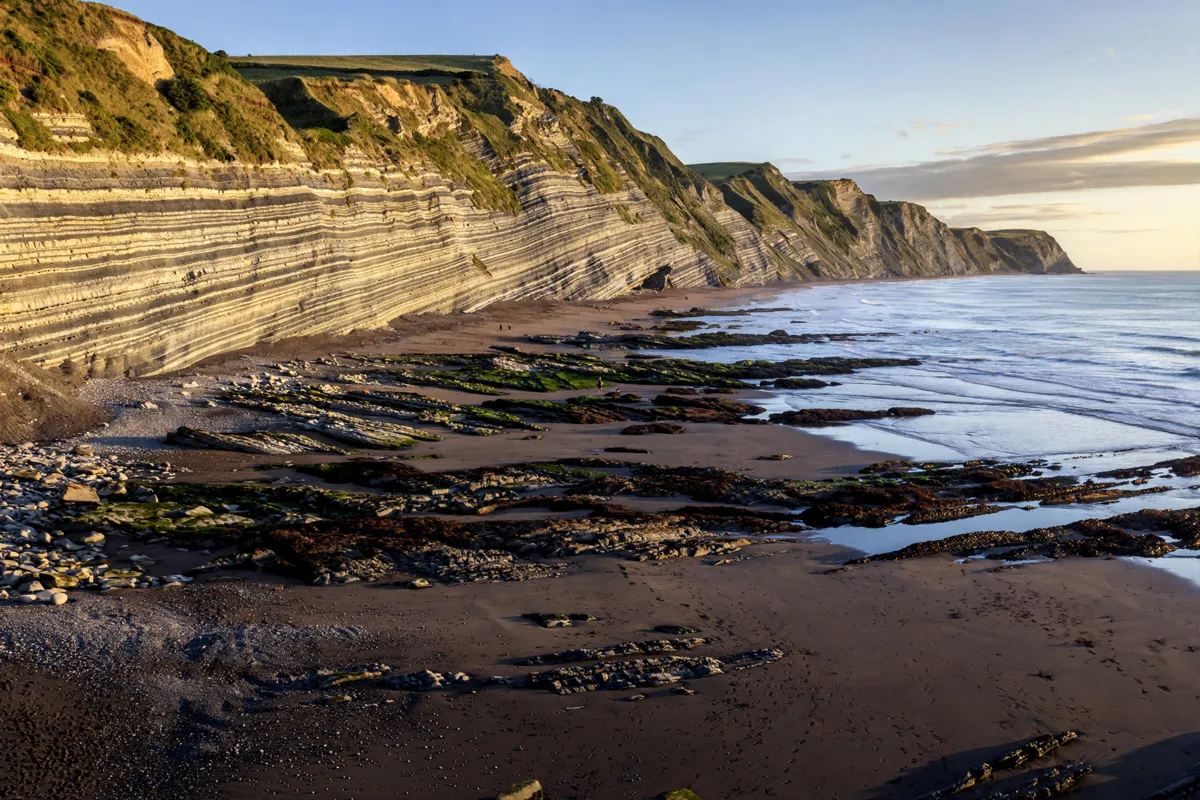
Zumaia is a coastal stop in the same UNESCO Geopark as Mutriku and Deba, with Flysch cliffs that expose millions of years of geological history. That shared landscape makes Zumaia a natural companion to a visit focused on Mutriku’s geology.
The Geopark describes its Essential Flysch experience as a boat trip along the coast between Zumaia and Deba. If you are also interested in the geology closer to Mutriku, the geological story behind Mutriku’s Nautilus adds local context to the wider coast.
How do you get from Mutriku to Zumaia?
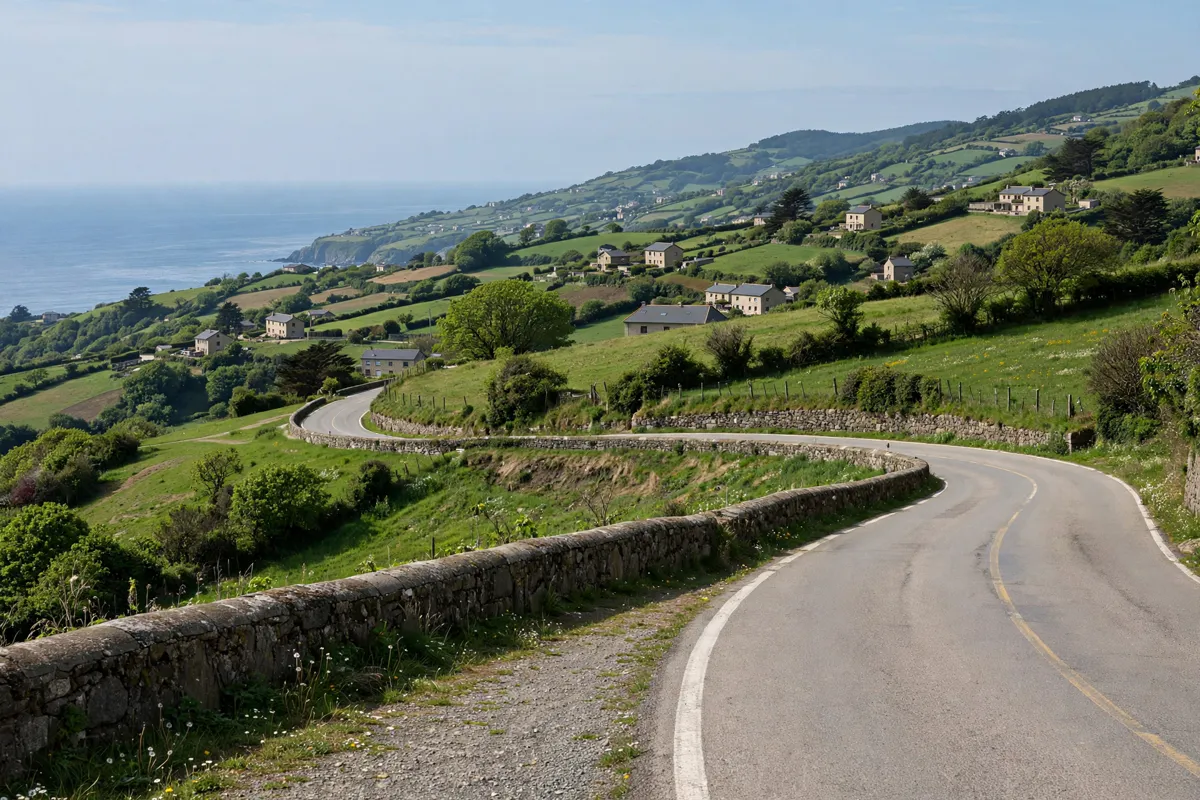
The DB05 bus connects Mutriku with Zumaia, and some journeys connect with the DB04 Mallabia–Ondarroa line in Deba. Check the current timetable when planning your day, as the published DB05 schedules have separate versions for September through July and August.
Mutriku has no Euskotren station. Deba station is 3.1 miles from Mutriku, and the town’s tourism information recommends DB04 for reaching Mutriku from the station. If your wider journey involves rail, the route between Deba station and Hotel Arbe covers that connection.
Zumaia’s tourism information directs passengers to Lurraldebus for DB05 schedules. Since schedules can vary, check the official site before you go.
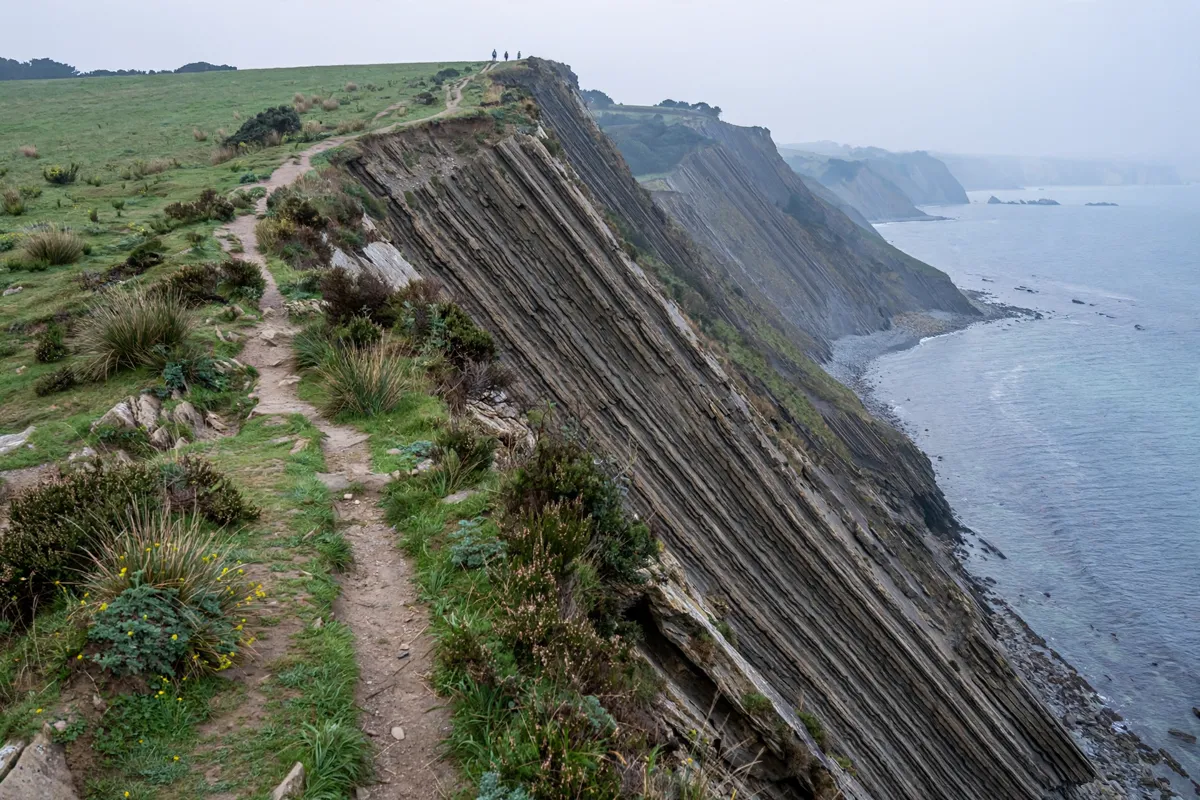
Walking the coast and Flysch viewpoints
The Geopark’s stated Flysch experience is a boat trip between Zumaia and Deba, following a stretch of coast where cliffs show geological layers.
If you want to include the boat experience, check its current operation and departure details with the Basque Coast UNESCO Geopark. That keeps the day’s plans tied to the activity’s current arrangements.
What should you check for tides and access?
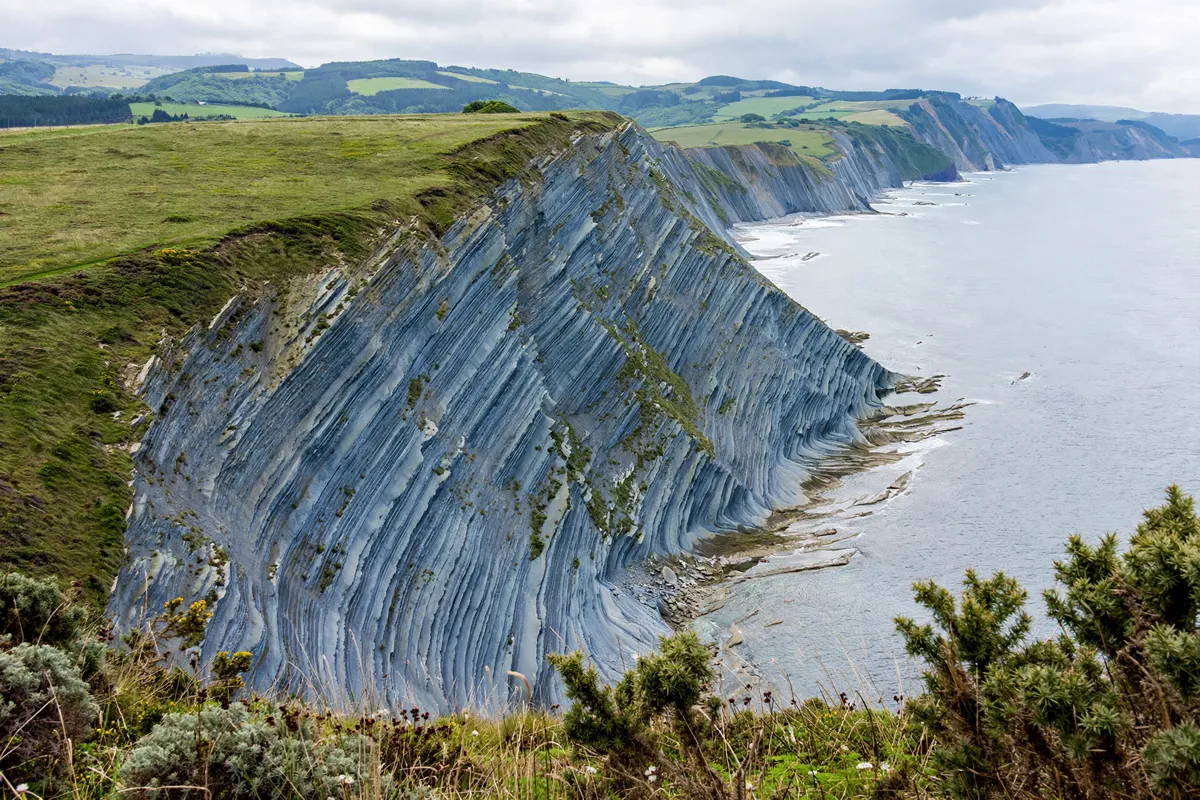
Confirm access conditions and any tide-related guidance with the Geopark or local tourism services before heading to coastal formations. The Flysch route described by the Geopark is a boat trip, and access to particular stretches of coast should not be assumed from the general description of the cliffs.
For a bus-based day, check both the outward and return DB05 journeys before leaving Mutriku. If your connection uses Deba, verify the DB04 timetable too; its published versions also differ between September through July and August.
A flexible day-trip outline
Use the bus timetable to shape the day rather than relying on a fixed sequence of stops. Start by confirming a DB05 journey from Mutriku to Zumaia and a return option, then decide whether the Geopark’s boat trip between Zumaia and Deba fits the schedule.
- Check DB05 departure and return times through Lurraldebus.
- Confirm the boat trip’s current arrangements with the Geopark if you plan to include it.
- Allow time in Zumaia according to the transport schedule and any activity you have confirmed.
- If routing through Deba, check DB04 connections as well.
Hotel Arbe is a three-star hotel in Mutriku, and its hotel rooms are based in the town named on the DB05 route.
FAQs
Does a bus connect Mutriku and Zumaia?
Yes. DB05 connects Zumaia with Mutriku, and some journeys connect with DB04 in Deba. Check Lurraldebus for current schedules.
What is the Geopark’s Essential Flysch experience?
It is a boat trip along the coast between Zumaia and Deba, where cliffs expose millions of years of geological history.
Does Mutriku have an Euskotren station?
No. Deba station is 3.1 miles from Mutriku, and DB04 is recommended for travel between the station and Mutriku.